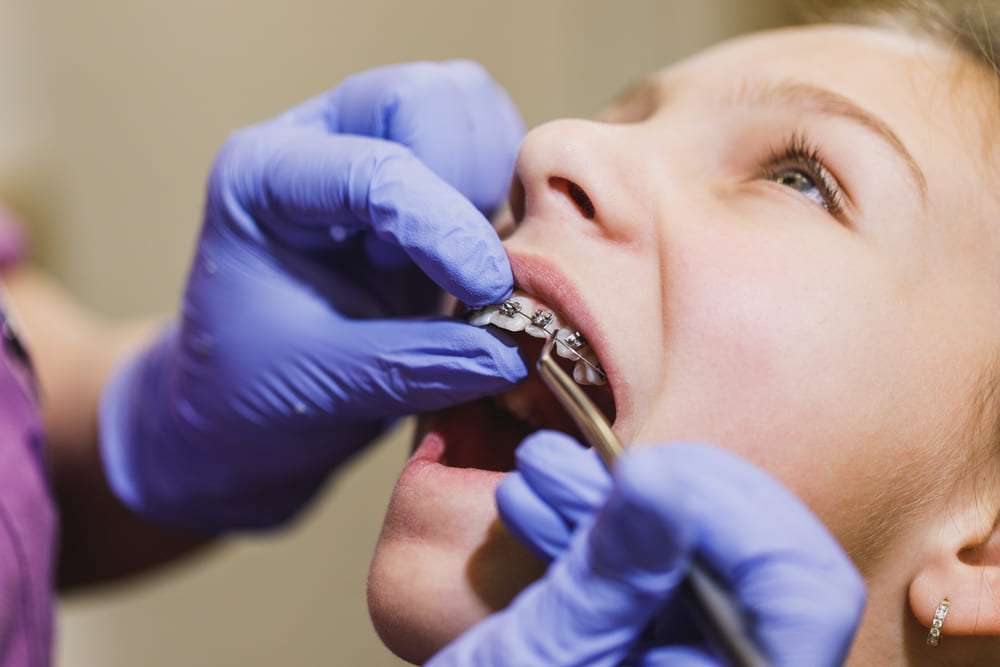
Is there an ideal age to start orthodontics?
Generally speaking, there is no single universal ideal age to start, but there is a recommended time for the first orthodontic evaluation. We recommend that children have their first evaluation with an orthodontist. This does not mean that everyone needs braces at that age, but rather that it is the perfect time to detect potential problems in dental and jaw development. During this stage:- Permanent teeth begin to come in.
- Bite problems can be identified.
- It is possible to evaluate the growth of the jawbones.
Orthodontics in Children: Early Intervention
In some cases, we also recommend what is known as interceptive orthodontics. This type of treatment is performed on children and aims to guide the proper development of the mouth. At our dental clinic, located in Costa del Este, we assess whether the child has:- Crossbite.
- Space issues for the teeth.
- Habits such as thumb-sucking.
- Obvious misalignments.
- Reduce the need for future extractions.
- Shorten subsequent treatments.
- Improve chewing and breathing function.
Orthodontics in adolescents: the most common time
Adolescence is, without a doubt, the most common time to begin orthodontic treatment. This usually occurs between the ages of 11 and 14, when most permanent teeth have already erupted. At this stage, the benefits are significant:- The bones are still developing, which facilitates tooth movement.
- It is easier to correct alignment and bite problems.
- Results are usually faster and more stable.
Can adults get orthodontic treatment?
Absolutely. It is becoming increasingly common for adults to decide to improve their smile through orthodontic treatments. It is never too late to start. In fact, many of our patients in Panama begin orthodontic treatment for reasons such as:- Improving dental aesthetics.
- Correcting functional problems.
- Preparing for other treatments such as dental implants or oral rehabilitation.
Signs You Might Need Orthodontics
Regardless of age, there are certain signs that indicate the need for an orthodontic evaluation:- Crowded or crooked teeth.
- Excessive gaps between teeth.
- Difficulty biting or chewing.
- Open, crossbite, or deep bite.
- Uneven tooth wear.
The importance of a personalized evaluation
Every smile is unique, and at our clinic Dental Life, we don’t rely on standard solutions, but rather on personalized diagnoses based on advanced technology and the expertise of various specialists. During the consultation, we evaluate:- The position of the teeth.
- The relationship between the jaws.
- The overall health of the gums.
- The patient’s aesthetic needs.
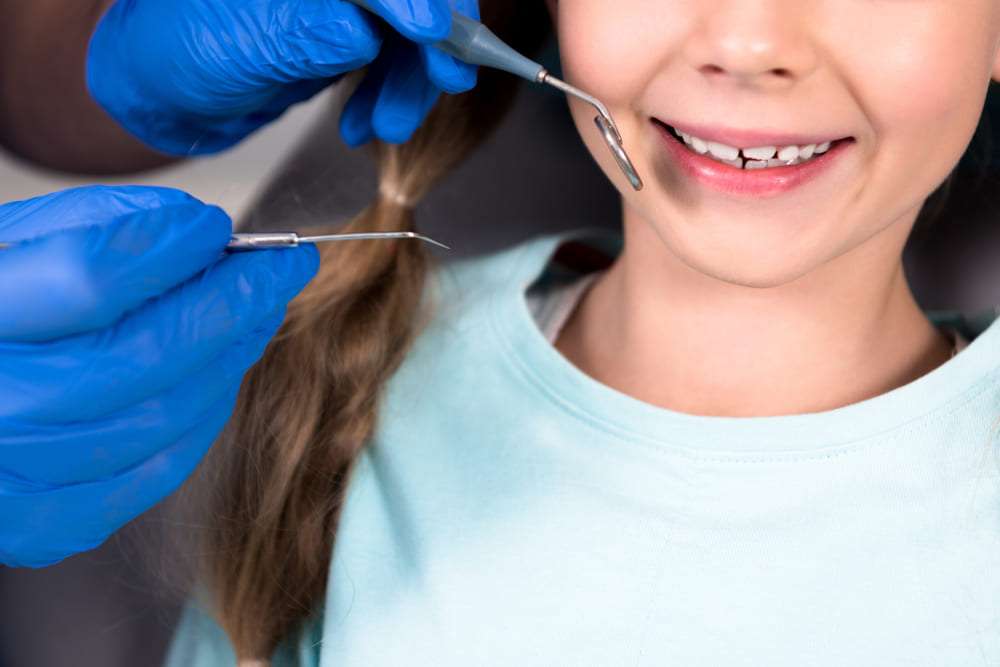
Take the first step towards your best smile
While the best age to start orthodontic treatment depends on each individual case, it’s best not to wait for the problem to get worse. Keep in mind that an early evaluation can save you from more complex treatments in the future. Dental Life is with you every step of the way. We’re here to provide personalized care and high-quality results in a modern, trustworthy environment. If you have any questions, we invite you to contact us and find out what the ideal time is to start your treatment. We also encourage you to continue exploring the posts on our blog, where you’ll find valuable content designed to help you care for your smile.Frequently Asked Questions (FAQs)
It is recommended to have an initial orthodontic evaluation between the ages of 6 and 7, since permanent teeth begin to erupt at this stage and it is possible to detect developmental problems early on. This does not mean starting braces immediately, but rather assessing whether preventive treatment is needed to avoid future complications and reduce the need for more complex interventions.
Adolescence, especially between the ages of 11 and 14, is the most common time to start orthodontic treatment, since the bones are still developing and the teeth move more easily. However, adults can also achieve excellent results, although treatment may take slightly longer depending on the case.
Interceptive orthodontics allows for the correction of problems such as crossbite, lack of space, or harmful habits from an early age. This helps guide proper jaw growth, reduces the need for extractions, and facilitates shorter and more effective future treatments.
Some common signs include crowded or spaced-out teeth, difficulty biting, uneven wear, or malocclusions such as an open bite or crossbite. Even if there is no pain, these issues can affect long-term oral health, so a professional evaluation is recommended.
The duration varies depending on the complexity of the case and the patient’s age. Treatment is usually faster for teenagers due to active bone growth, while it may take a little longer for adults. On average, treatments last between 12 and 24 months, although each plan is completely customized.
Options include metal braces, aesthetic braces, or clear aligners (Invisalign), and the choice depends on factors such as age, lifestyle, and aesthetic goals. An orthodontist will evaluate each case to recommend the most comfortable, effective, and discreet option possible.